The Nature of Luck in Gambling
Luck is often seen as the primary determinant of success in gambling, leading many to believe that it plays an overwhelming role. This perception is rooted in the randomness of many gambling games, especially those involving dice or card shuffling. When players place a bet, they may feel that they are at the mercy of fate, which can lead to the common belief that luck is the sole factor that dictates outcomes. However, players looking for their fortune can also consider the best fast withdrawal casino options that enhance their gaming experience. This simplistic view ignores the complexity of probability and variance inherent in all gambling activities.
In reality, luck can influence short-term results but doesn’t dominate the long-term outcomes in most gambling scenarios. For instance, in games like poker, experienced players can leverage their understanding of odds and player behavior to make more informed decisions. This suggests that while luck may impact a single hand or roll, skillful play can significantly tilt the odds in favor of the player over time. This duality of luck and probability offers a more nuanced understanding of gambling than merely attributing success to fortune.
Moreover, the idea of luck may lead players to engage in behaviors influenced by superstitions or rituals, believing they can sway outcomes. This is evident in behaviors such as wearing lucky clothing or using specific tokens during gameplay. While such practices do not alter the inherent probabilities of the games, they often serve to enhance the player’s psychological comfort. Recognizing the role of luck is crucial, but fostering a balanced view that acknowledges skill’s importance can lead to a more responsible and strategic approach to gambling.
Understanding Skill and Strategy
Skill in gambling refers to the expertise and knowledge that players bring to their chosen games. Different gambling formats require varying levels of skill. For example, games like poker and blackjack often require players to understand the odds, develop strategies, and read their opponents. In contrast, slot machines and bingo rely more heavily on chance, providing limited opportunities for strategic play. However, even in skill-dominant games, players often overlook the importance of continuous learning and practice, believing that innate talent alone determines success.
Players who invest time in understanding game mechanics and refining their strategies can significantly improve their chances of winning. This can be demonstrated through the use of card counting in blackjack, a technique that involves keeping track of the cards that have been dealt to make more informed betting decisions. As players become more adept, they can identify patterns and make calculated risks rather than relying on luck alone. This evidences the shift from a purely luck-based mindset to one that embraces skill, knowledge, and strategy.
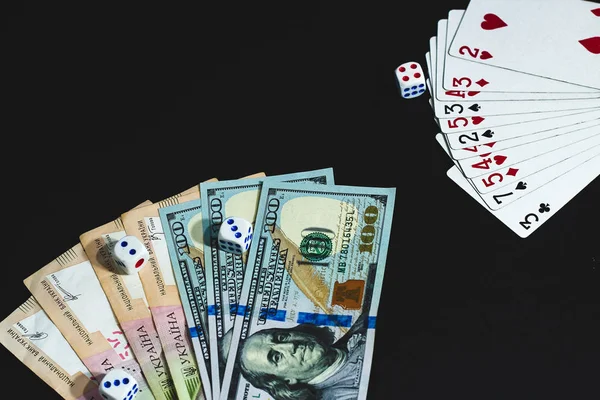
It’s essential to recognize that the interplay between skill and luck varies from game to game. In tournaments or competitive settings, skilled players tend to outperform less experienced counterparts over time. However, even the most skillful players can experience bad luck in the short term. The key takeaway is that successful gambling often requires a blend of both skill and luck. Players who embrace this combination are better positioned to make informed decisions and adapt their strategies based on the emerging dynamics of the game.
The House Edge and Its Implications
One crucial aspect of gambling that is often misunderstood is the concept of the house edge. This is the mathematical advantage that the casino has over the players, ensuring profitability in the long run. Each game has its specific house edge, which influences how much players can expect to win or lose over time. Understanding this concept is vital for anyone looking to engage in gambling, as it sheds light on the long-term expectations versus short-term experiences.
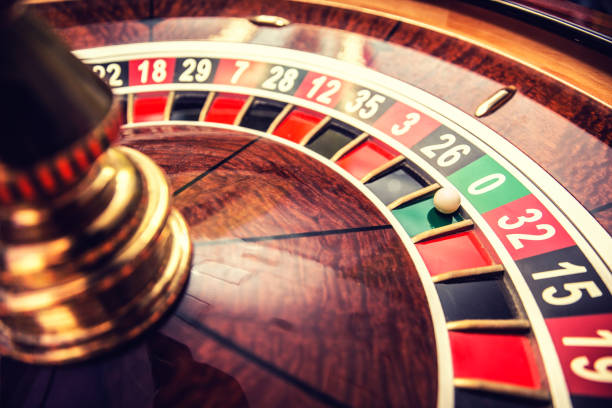
The house edge is a direct result of the rules governing each game. For instance, in games like roulette, the presence of the zero (or double zero in American roulette) gives the house its edge over players. While skill can impact outcomes in certain games, it cannot alter the inherent mathematical probabilities that source from the house edge. Players must recognize that while they may experience wins, these should be contextualized within the longer-term realities dictated by the house edge.
Additionally, this understanding can foster a more responsible gambling approach. Knowing that the house always maintains an edge helps players set realistic expectations regarding their potential for winning. It encourages better bankroll management, as players learn to view their gambling sessions as entertainment rather than a guaranteed path to profit. By balancing their expectations with knowledge about the house edge, gamblers can enjoy their experience while mitigating the risks of excessive losses.
Myths Surrounding Gamblers and Their Decisions
Various myths exist surrounding the decision-making processes of gamblers that can significantly influence player behavior. One common myth is that certain games are “due” for a win after a series of losses. This belief, often referred to as the gambler’s fallacy, stems from the misunderstanding of independent probability events. In reality, each spin of a slot machine or hand of poker remains statistically independent of previous outcomes, meaning past results do not affect future probabilities.
Another significant myth is the idea that skillful play can completely overcome the house edge. While skill can improve a player’s chances in certain games, it cannot eliminate the built-in advantage that the house has. This misconception can lead players to adopt overly aggressive strategies and risk more than they can afford in hopes of beating the odds. Recognizing and debunking these myths is crucial to developing a clearer, more rational approach to gambling.
Players should also be mindful of the impact of emotions on their decisions. Many gamblers believe that they can chase losses or make impulsive bets to recover funds. This often leads to a downward spiral where players risk more than they intended, driven by the hope of a lucky break. By understanding these myths and their psychological implications, gamblers can cultivate a more disciplined mindset, focusing on strategy and responsible gameplay instead of relying on luck or erroneous beliefs.
Exploring Responsible Gambling Practices
Responsible gambling is a critical aspect of enjoying gaming experiences while minimizing potential negative consequences. Understanding the balance between skill and luck is essential in promoting responsible behavior. Players who acknowledge the role of each can set more reasonable expectations and avoid the pitfalls of gambling myths. Being aware of the inherent risks, players are better equipped to make informed decisions regarding their involvement in gambling activities.
Establishing limits is one practical way to foster responsible gambling. This includes setting budgets for losses and wins and determining time constraints for gambling sessions. By adhering to these limits, players can enjoy the thrill of gambling without falling into the trap of chasing losses or overextending themselves financially. Moreover, it encourages a healthier relationship with gambling, viewing it as a form of entertainment rather than a source of income.
Ultimately, educational resources play a vital role in supporting responsible gambling practices. Websites and organizations dedicated to promoting awareness of gambling risks provide invaluable information, tools, and support systems for individuals seeking guidance. By leveraging these resources, players can cultivate a balanced approach to gambling, prioritizing enjoyment while minimizing the risks associated with misunderstanding luck and skill.